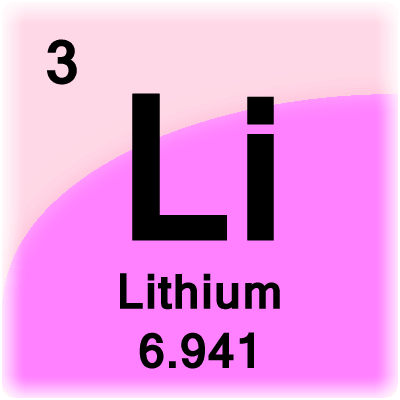
Lithium is a naturally occurring element, one that was formed in the stars long before our planet existed. It is also, in my opinion, one of the most useful and misunderstood medications in psychiatry.
Unlike most psychiatric medications, lithium is not a synthetic compound developed by a pharmaceutical company. It is a naturally occurring element. But make no mistake: when used to treat psychiatric illness, lithium is a powerful medication that requires careful prescribing and monitoring.
Its introduction into modern psychiatry is one of the great stories of serendipity in medicine. In 1949, an Australian psychiatrist named John Cade published his observations about lithium's remarkable effects on mania. Since then, lithium has become one of the most extensively studied treatments for bipolar disorder.
Lithium is particularly effective in treating mania and preventing recurrent mood episodes. It also has antidepressant properties and can be useful in treating certain forms of depression, even in patients who do not have bipolar disorder.
In my own practice, I often use lithium at lower doses than were traditionally prescribed. Part of lithium's unfavorable reputation comes from an era when patients were frequently treated with relatively high doses, sometimes resulting in significant side effects. I have found that some patients respond very well to considerably lower doses, even when their blood levels fall below the conventional therapeutic range. Although this approach is not appropriate for everyone, it illustrates an important principle in clinical medicine: the patient's response matters, not simply the laboratory number.
Of course, lithium is not without its problems. It requires regular blood tests to monitor lithium levels, kidney function, and thyroid function. Dehydration and certain commonly prescribed medications can also increase the risk of toxicity. These considerations are important, but with appropriate monitoring, lithium can be an extremely effective and, in my view, underutilized treatment.
There are two other aspects of lithium that deserve particular attention.
First, lithium has a well-documented association with reduced suicide risk in patients with mood disorders. This is one of its most important potential benefits and one that distinguishes it from many other psychiatric medications.
Second, there is growing scientific interest in lithium's possible neuroprotective properties, including its potential role in Alzheimer's disease. Some preliminary studies have produced intriguing results, although we do not yet have sufficient evidence to conclude that lithium prevents dementia.
What I particularly appreciate about lithium is that it is effective, inexpensive, and has a long history of clinical use. Its antimanic effects generally develop over days to weeks, and its full benefits in preventing recurrent mood episodes may take longer to become apparent.
For patients with bipolar disorder, I believe lithium always deserves serious consideration as a treatment option. Despite its age, its reputation, and the arrival of countless newer medications, lithium remains one of the most valuable treatments in psychiatry. In my experience, it is also one of the most frequently overlooked.