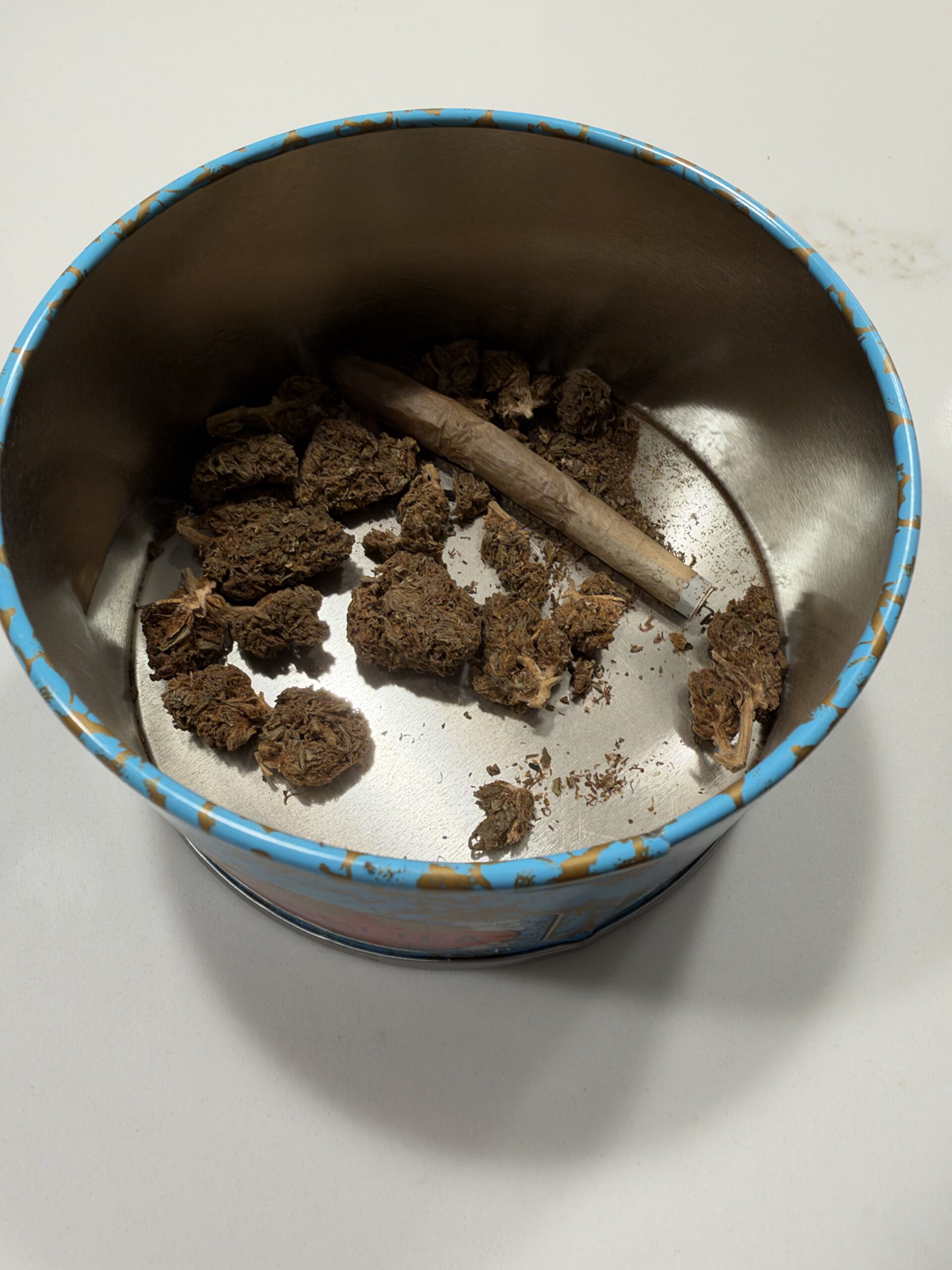
Over the past decade, the landscape surrounding cannabis use in the United States has changed dramatically. In many states, recreational cannabis is now readily available to adults, and its use has become increasingly commonplace.
But I wonder whether we have adequately considered the consequences of this change, particularly for teenagers and young adults.
Today's cannabis is not necessarily the marijuana that many parents remember from their own youth. Some of the products now available contain extraordinarily high concentrations of THC, the principal psychoactive ingredient in cannabis. And with widespread commercialization comes the very real possibility that these increasingly potent products will find their way into the hands of adolescents.
As a psychiatrist, I find this troubling.
Research has demonstrated a significant association between frequent cannabis use and the development of psychosis, particularly among those who begin using cannabis at an early age and those using high-potency products. This is especially concerning because brain development continues through adolescence and into young adulthood.
And psychosis is not the only concern.
There is a question I frequently ask patients who use cannabis regularly: Why do you use it? What does it do for you?
The answers can be illuminating.
Some use it to manage anxiety, others to help them sleep, and still others simply because they enjoy it. But whatever the reason, regular cannabis use can interfere with concentration, attention, memory, and sometimes motivation.
This becomes particularly relevant when a teenager or young adult comes to see me complaining of difficulties with attention and concentration, wondering whether they might have ADHD.
When I discover that they are also using cannabis regularly, it tends to raise an eyebrow.
“Well,” I often say, “I think we need to have a conversation about that.”
Of course, someone who uses cannabis can also have ADHD. But before concluding that a young person has a neurodevelopmental disorder, we need to consider whether regular cannabis use might itself be contributing to the symptoms.
Then there is the more serious question of psychosis.
Over the course of my clinical career, I have encountered patients whose heavy cannabis use was associated with the onset of severe and persistent psychotic illness. In some cases, the illness has remained profoundly disabling despite treatment.
These are not typical outcomes, and it is not always possible to determine precisely what role cannabis played. Nevertheless, such cases are a sobering reminder that the psychiatric consequences of cannabis use can sometimes be devastating.
So what should parents take away from all of this?
First, cannabis is not harmless simply because it is legal. Second, the risks are particularly important during adolescence and young adulthood. And third, if your teenager is struggling with concentration, motivation, anxiety, or changes in behavior, cannabis use deserves to be part of the conversation.
That conversation should begin with curiosity rather than accusation. Ask your child what they are using, how frequently, and perhaps most importantly, what they feel cannabis does for them.
Finally, there is an interesting development in the broader public debate. Here in Massachusetts, voters will be asked this November whether to repeal the state's recreational cannabis retail sales laws, just ten years after legalization. Similar efforts are underway elsewhere.
There are legitimate arguments on both sides of the legalization debate, including concerns about public health and the consequences of driving cannabis sales into an unregulated market. But the emergence of these repeal efforts raises an important question: Have we been too quick to normalize a drug whose psychiatric risks, particularly for young people, deserve considerably more attention?
I believe we have.
And whatever the legal status of cannabis, there is one distinction I would encourage every parent to remember:
Legal does not necessarily mean free of harm.